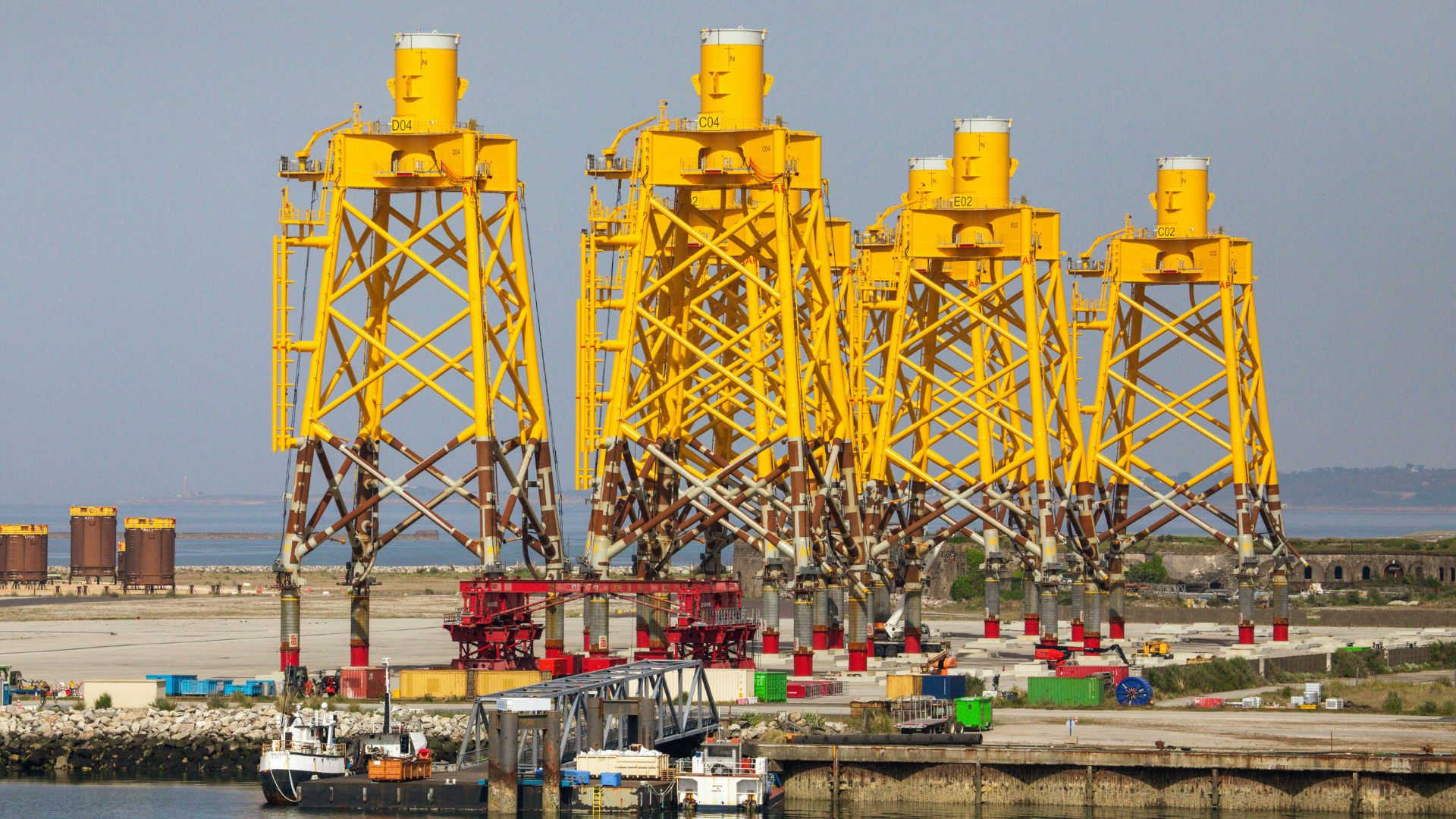
Industrial operations depend on strong infrastructure systems to maintain productivity, safety, and long-term operational performance. Western Australia supports major industries such as mining, oil and gas, manufacturing, logistics, transport, and heavy construction. These sectors rely on reliable infrastructure systems to manage continuous operations in demanding environments.
Managing Industrial infrastructure services in Western Australia effectively is important for reducing downtime, improving equipment reliability, maintaining workplace safety, and controlling operational costs. Industrial facilities often operate 24 hours a day and involve heavy machinery, power systems, structural assets, and complex maintenance schedules.
Industrial infrastructure services in Western Australia support businesses through engineering solutions, preventive maintenance, infrastructure upgrades, safety systems, and operational management programs. Effective infrastructure management helps industrial companies maintain stable operations and improve long-term asset performance.
Understanding Industrial Infrastructure Management
Industrial infrastructure management involves planning, maintaining, monitoring, and improving infrastructure systems used in industrial operations. Proper management helps businesses reduce operational risks and maintain efficient production systems.
Industrial infrastructure commonly includes:
- Structural steel systems
- Conveyor systems
- Electrical networks
- Industrial buildings
- Water supply systems
- Pipeline infrastructure
- Mechanical equipment
- Maintenance workshops
- Transport access systems
Industrial infrastructure services in Western Australia help businesses manage these systems through inspections, maintenance schedules, engineering support, and repair services.
Large industrial projects often operate in remote locations with harsh weather conditions and heavy operational demands. Effective infrastructure management helps reduce operational interruptions and improve equipment lifespan.
Developing a Preventive Maintenance Strategy
Preventive maintenance is one of the most important parts of infrastructure management. Industrial equipment experiences constant stress from vibration, heat, dust exposure, and continuous operational use.
Preventive maintenance services may include:
- Mechanical inspections
- Electrical testing
- Lubrication management
- Corrosion control
- Structural assessments
- Conveyor servicing
Industrial infrastructure services in Western Australia help companies identify equipment problems before major failures occur.
Industrial studies show that preventive maintenance can reduce unplanned downtime by approximately 30%. Early maintenance planning also lowers repair costs and improves asset reliability.
Maintenance schedules should be based on equipment usage, environmental conditions, and operational demands. Remote industrial sites often require more frequent inspections because of harsh operating environments.
Managing Safety and Compliance Requirements
Industrial facilities must comply with Australian workplace safety regulations and engineering standards. Infrastructure management should include regular inspections and safety monitoring systems.
Important safety management areas include:
- Structural integrity testing
- Electrical safety inspections
- Fire protection systems
- Emergency shutdown systems
- Hazard monitoring equipment
Industrial infrastructure services in Western Australia support safety compliance through inspections, maintenance documentation, and engineering assessments.
Mining and heavy industrial projects often involve high-risk operational environments. Proper infrastructure management helps reduce workplace accidents and improve operational reliability.
Compliance with Australian Standards such as AS 4100 for steel structures and AS/NZS electrical safety requirements is important for long-term operational stability.
Using Technology for Infrastructure Management
Modern industrial operations increasingly use advanced technologies to improve infrastructure management and maintenance planning.
Common technologies include:
- Remote monitoring systems
- Predictive maintenance software
- Smart sensors
- Drone inspections
- Thermal imaging
- Automated reporting systems
Industrial infrastructure services in Western Australia use these technologies to improve equipment monitoring and maintenance accuracy.
Remote monitoring systems allow operators to track equipment performance in real time. Predictive maintenance systems identify abnormal operating conditions before equipment failures occur.
Technology-driven maintenance systems also improve operational planning and reduce unnecessary shutdowns.
Managing Workforce and Contractor Coordination
Industrial infrastructure projects often involve multiple teams, contractors, and operational departments. Effective workforce coordination improves maintenance efficiency and project scheduling.
Infrastructure management may involve:
- Maintenance scheduling
- Workforce planning
- Contractor supervision
- Safety training programs
- Operational reporting
Industrial infrastructure services in Western Australia support workforce coordination through structured maintenance programs and project management systems.
Large industrial operations may require mechanical technicians, electricians, welders, engineers, crane operators, and safety personnel working together across multiple project areas.
Clear communication systems improve operational efficiency and reduce maintenance delays.
Supporting Remote Industrial Operations
Many industrial projects in Western Australia operate in remote mining and energy regions. Remote operations require specialized infrastructure management because of limited access to suppliers and emergency support services.
Remote infrastructure management may include:
- Mobile maintenance teams
- Spare parts storage systems
- Emergency repair planning
- Fuel and water management
- Workforce accommodation support
Industrial infrastructure services in Western Australia help remote projects maintain operational continuity through organized maintenance systems and infrastructure planning.
Reliable transport and communication systems are also important for supporting remote industrial operations.
Asset Management and Infrastructure Lifespan
Industrial assets represent major financial investments. Effective asset management helps companies improve infrastructure lifespan and reduce replacement costs.
Asset management services may include:
- Equipment condition monitoring
- Lifecycle planning
- Infrastructure inspections
- Maintenance reporting
- Repair scheduling
- Operational risk assessments
Industrial infrastructure services in Western Australia support long-term asset reliability through preventive maintenance and infrastructure optimization strategies.
Well-maintained equipment operates more efficiently and requires fewer emergency repairs. Long-term infrastructure planning also improves budgeting and operational forecasting.
Improving Operational Efficiency
Efficient infrastructure management improves production reliability and reduces operational downtime. Industrial facilities require stable systems to maintain continuous operations and meet production targets.
Operational efficiency improvements may involve:
- Equipment upgrades
- Process optimization
- Energy-efficient systems
- Automated control systems
- Improved maintenance scheduling
Industrial infrastructure services in Western Australia help businesses improve operational performance through engineering solutions and modern infrastructure technologies.
Automated systems reduce manual processing time and improve equipment accuracy. Infrastructure upgrades also improve energy efficiency and operational stability.
Environmental Management and Sustainability
Industrial operations must manage environmental impacts while maintaining operational efficiency. Infrastructure management should include environmental planning and resource management systems.
Environmental infrastructure may include:
- Water treatment systems
- Waste management facilities
- Dust suppression systems
- Emission control technologies
Industrial infrastructure services in Western Australia support environmental compliance through maintenance programs and sustainable infrastructure solutions.
Proper environmental management reduces operational risks and supports long-term industrial sustainability.
Cost Control and Budget Management
Infrastructure management plays an important role in controlling operational costs. Poor maintenance planning can increase repair expenses and reduce equipment reliability.
Cost management strategies may include:
- Preventive maintenance planning
- Asset lifecycle management
- Energy efficiency improvements
- Equipment performance monitoring
Industrial infrastructure services in Western Australia help businesses reduce operational expenses by improving maintenance efficiency and infrastructure reliability.
Planned maintenance programs are generally more cost-effective than emergency repairs and unplanned shutdowns.
FAQ
What are industrial infrastructure services?
Industrial infrastructure services include engineering, maintenance, construction, installation, and operational support for industrial facilities and equipment.
Why is infrastructure management important?
Infrastructure management improves equipment reliability, reduces downtime, supports workplace safety, and helps maintain operational efficiency.
How do Industrial infrastructure services in Western Australia support industrial operations?
These services support maintenance planning, engineering solutions, infrastructure upgrades, safety compliance, and operational management across industrial sectors.
What technologies improve infrastructure management?
Remote monitoring systems, predictive maintenance software, thermal imaging, smart sensors, and automation technologies improve maintenance planning and operational control.
Why is preventive maintenance important?
Preventive maintenance helps identify equipment issues early, reduces repair costs, improves safety, and extends infrastructure lifespan.
Conclusion
Effective infrastructure management is essential for maintaining safe, productive, and reliable industrial operations. Industrial infrastructure services in Western Australia support businesses through maintenance programs, engineering support, infrastructure monitoring, safety systems, and operational planning.
These services help industries reduce downtime, improve equipment performance, manage operational risks, and support long-term asset reliability. Modern technologies and preventive maintenance strategies also improve maintenance accuracy and infrastructure efficiency.
As industrial sectors continue to expand across Western Australia, effective infrastructure management will remain critical for supporting sustainable and efficient industrial operations.
Leave a Reply