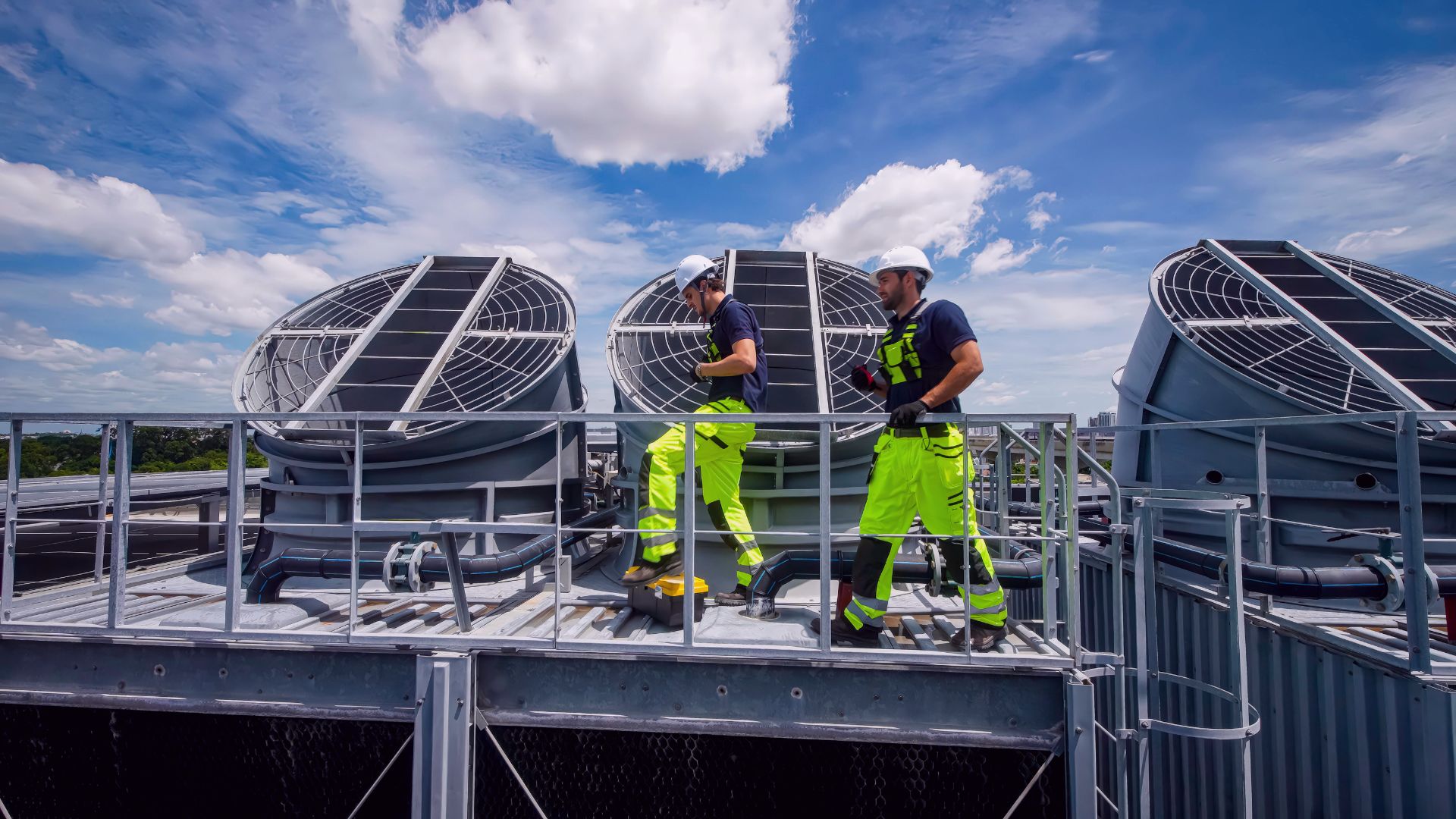
Western Australia is one of the largest industrial regions in Australia. The state supports mining, oil and gas, logistics, manufacturing, energy production, and heavy engineering. These industries require reliable infrastructure to maintain safety, productivity, and operational efficiency. Industrial infrastructure services in Western Australia play a major role in supporting industrial growth across metropolitan and regional areas.
Industrial facilities in Western Australia operate under demanding environmental conditions. High temperatures, remote locations, and continuous production cycles require durable infrastructure systems. Companies across Perth, Pilbara, Karratha, Bunbury, and Kalgoorlie invest in advanced industrial infrastructure to reduce downtime and improve long-term performance.
Understanding Industrial Infrastructure Services
Industrial infrastructure includes the systems, structures, and facilities that support industrial operations. These services cover design, construction, maintenance, upgrades, and project management. Industrial infrastructure services in Western Australia are commonly used in mining plants, processing facilities, warehouses, ports, pipelines, and energy projects.
Infrastructure projects often include:
- Structural steel fabrication
- Industrial electrical systems
- Mechanical installation
- Pipework and welding
- Concrete foundations
- Water management systems
- Industrial drainage solutions
- Equipment installation
- Facility maintenance
- Shutdown services
Modern industrial infrastructure must meet Australian safety standards, environmental regulations, and operational performance requirements.
Importance of Industrial Infrastructure in Western Australia
Western Australia contributes a significant share of Australia’s mineral and energy exports. Large-scale industrial operations depend on reliable infrastructure to maintain production targets and worker safety.
Industrial infrastructure services in Western Australia help industries achieve:
- Reduced equipment failure
- Improved operational efficiency
- Better workplace safety
- Lower maintenance costs
- Stronger environmental compliance
- Long-term asset durability
Mining operations in remote regions often operate 24 hours per day. Infrastructure systems must withstand corrosion, vibration, dust exposure, and heavy loads. Strong engineering and regular maintenance improve operational stability.
Major Industries Using Industrial Infrastructure Services
Several industries rely on industrial infrastructure across Western Australia.
Mining and Mineral Processing
Western Australia is one of the world’s leading producers of iron ore, lithium, gold, and nickel. Mining operations require conveyor systems, crushers, processing plants, pipelines, workshops, and heavy equipment facilities.
Industrial infrastructure supports material handling systems, electrical networks, fuel storage systems, and plant maintenance operations.
Oil and Gas Industry
Liquefied natural gas projects and offshore operations require complex infrastructure systems. Facilities depend on mechanical piping, pressure systems, steel structures, and industrial maintenance programs.
Infrastructure contractors often work on refineries, gas plants, and offshore support facilities.
Manufacturing Facilities
Manufacturing plants require production lines, warehouse systems, industrial flooring, and automation systems. Industrial infrastructure services in Western Australia help manufacturers improve workflow efficiency and production capacity.
Renewable Energy Projects
Western Australia continues to expand renewable energy infrastructure. Solar farms, battery storage facilities, and wind energy projects require civil works, electrical installation, and structural construction.
Key Features of High Quality Industrial Infrastructure Services
Professional industrial infrastructure providers focus on safety, compliance, and performance. Several features define high-quality service delivery.
Safety Management
Industrial sites involve heavy machinery, hazardous materials, and high-risk work environments. Contractors follow strict workplace safety procedures and Australian standards.
Safety systems often include:
- Hazard assessments
- Site inspections
- Worker training
- Equipment testing
- Emergency response planning
Engineering Expertise
Industrial infrastructure projects require experienced engineers and technical specialists. Structural integrity, equipment compatibility, and operational efficiency must be carefully planned.
Engineering teams use advanced software for design, load analysis, and project coordination.
Durable Construction Materials
Industrial environments place high stress on infrastructure systems. Contractors use corrosion-resistant steel, reinforced concrete, industrial coatings, and heavy-duty mechanical components to improve durability.
Maintenance and Asset Management
Preventive maintenance reduces equipment failure and unexpected shutdowns. Maintenance services include inspections, repairs, lubrication, component replacement, and condition monitoring.
Asset management programs help companies extend infrastructure lifespan and reduce long-term operational costs.
Benefits of Professional Industrial Infrastructure Services
Industrial companies gain several operational benefits through professional infrastructure support.
Improved reliability helps reduce production interruptions. Efficient infrastructure systems improve workflow and energy efficiency. Strong maintenance programs reduce repair expenses and extend equipment life.
Industrial infrastructure services in Western Australia also support environmental compliance. Modern facilities include dust control systems, wastewater management, and energy-efficient equipment.
Large industrial projects often involve multiple contractors, engineers, and suppliers. Professional project management improves scheduling, budgeting, and communication across all stages of construction and maintenance.
Technology Used in Industrial Infrastructure Projects
Modern infrastructure projects use advanced technologies to improve performance and accuracy.
Digital engineering tools allow teams to create 3D models before construction begins. Remote monitoring systems track equipment condition in real time. Automated systems improve production efficiency and workplace safety.
Many companies now use predictive maintenance technology. Sensors collect equipment data and identify potential failures before breakdowns occur.
Industrial automation systems also help reduce manual labour requirements in hazardous environments.
Choosing the Right Industrial Infrastructure Provider
Selecting the right contractor is important for project quality and long-term performance. Companies should evaluate experience, certifications, workforce capability, and safety records.
Reliable providers usually offer:
- Industry-specific experience
- Qualified engineers and technicians
- Compliance with Australian standards
- Transparent project timelines
- Preventive maintenance programs
- Strong safety performance records
Regional experience is also important in Western Australia because remote industrial locations present unique logistical challenges.
Future of Industrial Infrastructure in Western Australia
Industrial development in Western Australia continues to expand due to growing demand for minerals, renewable energy, and advanced manufacturing. Infrastructure projects are expected to focus on automation, sustainability, and energy efficiency.
Several companies are investing in smart infrastructure systems that improve operational monitoring and reduce environmental impact. Renewable energy integration is also becoming more common in industrial operations.
Industrial infrastructure services in Western Australia will continue supporting economic growth, export operations, and industrial modernization over the coming years.
FAQ
What are industrial infrastructure services?
Industrial infrastructure services include construction, maintenance, engineering, and installation solutions that support industrial facilities and operations.
Which industries use industrial infrastructure services in Western Australia?
Mining, oil and gas, manufacturing, logistics, renewable energy, and processing industries commonly use these services.
Why is maintenance important in industrial infrastructure?
Regular maintenance helps reduce equipment failure, improve safety, increase operational efficiency, and extend asset lifespan.
What materials are commonly used in industrial infrastructure projects?
Common materials include structural steel, reinforced concrete, industrial piping, corrosion-resistant coatings, and heavy-duty mechanical components.
How do industrial infrastructure services improve safety?
Professional contractors follow Australian safety standards, conduct risk assessments, and maintain equipment to reduce workplace hazards.
Conclusion
Industrial infrastructure supports some of the largest industries in Australia. Strong infrastructure systems improve operational efficiency, workplace safety, and long-term asset performance. Western Australia continues to invest in mining, energy, manufacturing, and logistics projects that require advanced industrial support systems.
Industrial infrastructure services in Western Australia help businesses maintain reliable operations under demanding industrial conditions. From engineering and construction to maintenance and automation, these services remain essential for industrial growth and long-term economic development.
Leave a Reply