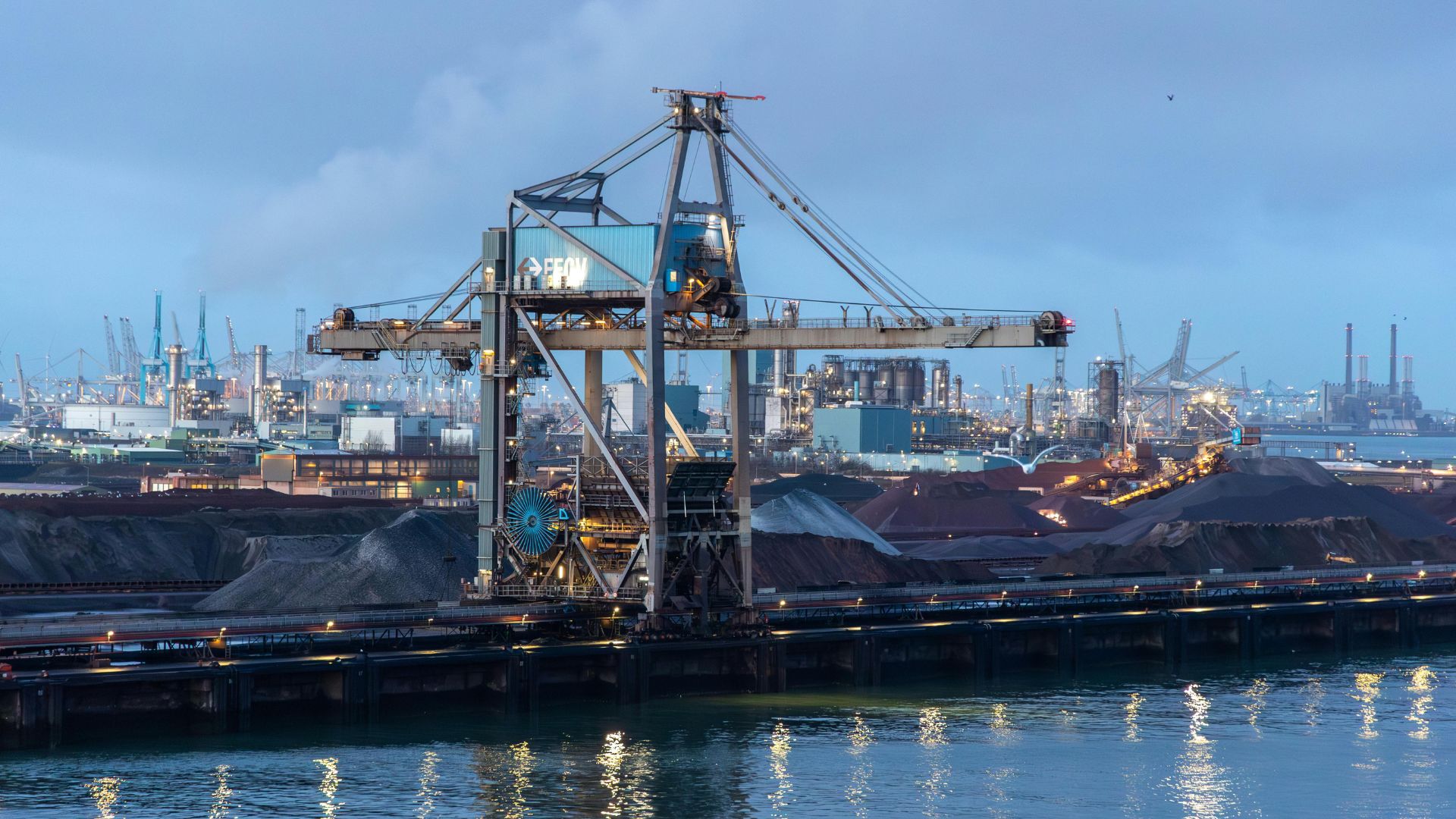
Industrial growth in Western Australia depends on reliable infrastructure systems. These systems support mining, energy, manufacturing, logistics, and processing industries. Industrial infrastructure includes power supply, water systems, transport networks, storage facilities, and plant construction.
Industrial infrastructure services in Western Australia provide structured solutions for planning, design, construction, and maintenance. These services help industries operate efficiently, meet regulatory standards, and maintain safety.
What Are Industrial Infrastructure Services
Industrial infrastructure services refer to integrated engineering and construction solutions used to build and maintain industrial facilities. These services include site preparation, structural construction, utilities installation, and ongoing asset management.
Key components include:
- Power distribution systems
- Water supply and wastewater treatment
- Industrial buildings and warehouses
- Roads and transport access
- Pipeline and material handling systems
Industrial infrastructure services in Western Australia are designed to meet the needs of large-scale operations, especially in remote and resource-rich regions.
Importance of Industrial Infrastructure in Western Australia
Western Australia contributes more than 40% of Australia’s total exports, mainly from mining and energy sectors. Infrastructure plays a direct role in maintaining this output.
Industrial infrastructure services in Western Australia ensure:
- Continuous production with minimal downtime
- Safe working environments compliant with national standards
- Efficient logistics for transporting raw materials and finished goods
- Sustainable use of water and energy resources
Mining regions such as Pilbara require heavy-duty infrastructure capable of operating under extreme conditions, including temperatures above 45°C and remote access challenges.
Core Services Offered
Industrial infrastructure services in Western Australia cover multiple stages of project execution.
Planning and Design
Engineering teams conduct site analysis, feasibility studies, and environmental assessments. Designs follow Australian standards such as AS/NZS codes and ISO compliance frameworks.
Construction and Installation
Construction includes civil works, steel structures, electrical systems, and mechanical installations. Projects often involve heavy equipment and modular construction methods to reduce time.
Maintenance and Asset Management
Regular inspection and maintenance reduce equipment failure. Asset management systems track performance, lifespan, and repair schedules. Predictive maintenance can reduce downtime by up to 30%.
Upgrades and Expansion
Existing facilities are upgraded to meet increased production demand or new regulatory requirements. This includes automation, energy-efficient systems, and digital monitoring technologies.
Industries That Rely on These Services
Several major industries depend on industrial infrastructure services in Western Australia:
- Mining and mineral processing
- Oil and gas production
- Renewable energy projects
- Manufacturing and processing plants
- Logistics and port operations
For example, iron ore operations require conveyor systems, rail connections, and export terminals. Each component depends on strong infrastructure support.
Key Features of Modern Infrastructure Solutions
Modern industrial infrastructure focuses on efficiency, safety, and sustainability.
Important features include:
- Automation and smart monitoring systems
- Use of renewable energy sources such as solar and wind
- Water recycling and waste reduction systems
- High-strength materials for durability
- Compliance with environmental regulations
Digital systems such as SCADA and IoT sensors allow real-time monitoring of operations. This improves decision-making and reduces operational risks.
Compliance and Safety Standards
Industrial projects in Western Australia must comply with strict regulations. These include:
- Work Health and Safety (WHS) laws
- Environmental Protection Authority (EPA) guidelines
- Australian Standards (AS/NZS)
Safety measures include hazard identification, risk assessment, and emergency response systems. Infrastructure is designed to reduce incidents and protect workers.
Challenges in Industrial Infrastructure Development
Developing infrastructure in Western Australia involves specific challenges:
- Remote locations increase transport costs
- Harsh climate affects material durability
- Skilled labor shortages in regional areas
- Strict environmental regulations
To address these issues, companies use modular construction, local resource sourcing, and advanced logistics planning.
Benefits of Professional Infrastructure Services
Using structured industrial infrastructure services provides measurable benefits:
- Project completion time reduced by up to 20% with efficient planning
- Operational costs lowered through energy-efficient systems
- Increased equipment lifespan through regular maintenance
- Improved compliance with safety and environmental laws
Industrial infrastructure services in Western Australia support long-term industrial growth and stability.
FAQ
What are industrial infrastructure services in Western Australia?
Industrial infrastructure services in Western Australia include planning, construction, and maintenance of facilities such as power systems, pipelines, and industrial buildings.
Which industries use these services the most?
Mining, oil and gas, manufacturing, and logistics sectors are the primary users of these services.
Why is infrastructure important for industrial operations?
Infrastructure ensures continuous production, safe operations, and efficient transport of materials.
How is sustainability included in infrastructure projects?
Projects include renewable energy use, water recycling systems, and reduced emissions to meet environmental standards.
What challenges affect infrastructure development in Western Australia?
Remote locations, extreme weather conditions, and regulatory requirements are key challenges.
Conclusion
Industrial infrastructure forms the foundation of large-scale industrial operations. Industrial infrastructure services in Western Australia provide structured, compliant, and efficient solutions for modern industries. These services cover design, construction, maintenance, and upgrades. They support productivity, safety, and sustainability across key sectors. With growing demand in mining and energy, infrastructure development remains a critical factor for economic growth in the region.
Leave a Reply